

Introduction
With over 50 years of family knowledge in the world of meat, we have become steak afficianodos. We love totalk for hours about cooking steaks but here is a quick guide summary of our top tips for preparing restaurant quality steaks. There is so much to cover, so here is our quick starter guide. Follow our insights and you will be well on your way to preparing amazing steaks every time.
Remember: every steak is different and so is everyone's taste, so have fun experimenting and finding out what you prefer.
How to Thaw Frozen Steaks
Refrigerator Thawing Method
This is the simplest way and just requires overnight planning.
The day before you are going to cook your steaks, move them from the freezer into the fridge. Keep them in the vacuum sealed packaging at all times.
Make sure to place them in a bowl or on a plate. Frozen meat always has the potential for drip leaks when it defrosts. This is nothing to be concerned about, but it is best to prepare for this.
When you are ready to cook, the steaks will be ready. Aim to leave most products in the fridge for 24 hours. Items such as a Whole Scotch Fillet, Whole Chicken, or a Beef Brisket may take up to 48 hours.
Once defrosted, you can leave them in the fridge in their vacuum seal packaging for up to a week.
Quick-Thaw (Cold Water Method)
Fill a large bowl with cold water. Place your vacuum sealed steaks in the water and double check that the packaging is not punctured or damaged.
If the packaging is visibly damaged, or you see any water entering the packaging, use the refrigerator thawing method instead.
Your steak will be ready to cook in 30 to 40 minutes. Larger cuts can take over an hour.
Note: Do not thaw steaks at room temperature on the bench top and never in the microwave. This can lead to bacterial contamination and a reduction of meat quality.

Pat Your Steaks Dry Before Cooking
Pat your steaks dry thoroughly using a double-folded paper towel to remove excess moisture. This helps create the perfect sear.

How to Season Steaks Before Cooking
Marinating your steak turns a meal into a restaurant-quality experience. This applies to beef, lamb, and veal. It is simple but brings out real flavour.
1. The Basic Ingredients of Any Seasoning
Salt
Salt is the foundation of any seasoning. It helps moisture absorb into all parts of the steak and enhances flavour when combined with herbs and spices. We prefer Celtic Sea Salt.
2. Oil
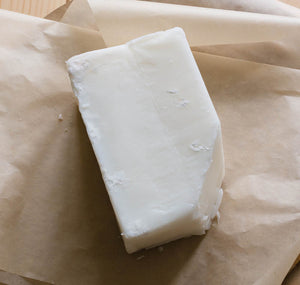
Oil is essential in a marinade. Many herbs and spices release their flavours only when combined with oil. Rub all ingredients into the steak thoroughly. Aim to avoid all seed oils as they can be inflammatory. When cooking, we prefer tallow.
3. Plenty of Herbs and Spices
This is where you can create a real flavour profile. Popular options include black pepper, garlic powder, onion powder, smoked paprika, and dried thyme.
Experiment and have fun.
4. Fork the Meat Before Seasoning
Prick the steak with a fork before seasoning so it absorbs the sauce more easily. A knife also works well for larger cuts.
5. Cover the Meat Evenly
Ensure the steak is coated evenly on all sides.
You can rub the seasoning directly onto the meat or place it in a zip-lock bag and flip halfway through. Alternatively, season or marinate in a bowl covered with plastic wrap and stir halfway through.
6. Refrigerate
Place the seasoned or marinated steak in the fridge. Put a plate or tray underneath to catch any leaks.
The longer the steak seasons stands or marinates, the more flavour it develops.
Studies show one hour is the minimum for the salt and other ingredients to absorb. However, longer is better and we suggest you experiment with 6, 12, and 24 hours to experience the difference.

Different Cooking Methods for the Perfect Steak
Cooking Steak Indoors
To perfect cooking steak indoors, we suggest finessing the transition between the stovetop and the oven. The Sear to Oven method will help you achieve a thick, caramelized crust without overcooking your steak.
Select a heavy cast iron skillet or a heavy stainless steel pan that can hold high amounts of heat. Heat the pan first and then add your beef tallow or cooking oil. Preheat your oven to 150°C.
Place the steak into the pan and press down lightly. Sear for around 2 to 3 minutes on the first side as the steak turns a deeper brown colour and then flip it. Sear the fat cap edge holding it with tongs.
After you have flipped the steak, the pan can be placed into the 150°C oven. This lower heat will allow the internal temperature of the steak to increase evenly.
Position the oven rack in the centre to avoid overcooking. For thicker steaks, increase the amount of time in the oven.
Be aware that every oven and pan varies, so never rely on a set time or assume each steak will cook the same as they are all different. We suggest using a meat thermometre and also visually checking steaks yourself.
Resting is critical after the cooking process. This allows the muscle fibers to contract and the juices will be pushed towards the centre for a moist and juicy steak.
Barbecue Steaks Outdoors
Gas Barbecue
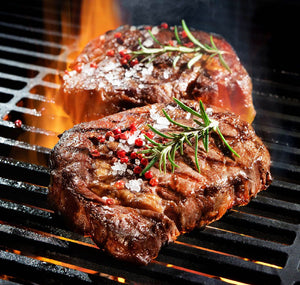
Preheat your BBQ to 225°C, then reduce to medium heat before cooking.
If you are using a gas BBQ, you can can control the temperature with the Zone Method:
-
Keep one burner on high and one on low.
-
Sear on the hot side and then flip.
-
Move to the cool side and close the lid to finish cooking without burning the exterior.
Charcoal Barbecue
Sear over red-hot coals.
Use indirect heat and a reverse for thicker steaks such as a Ribeye:
-
Start the steak on the cool side of the grill until it reaches 5 degrees Celsius below your target temperature.
-
Position it directly over the red-hot coals for 1 minute on each side to achieve the perfect seared crust.
Sous Vide Your Steak
Sous vide means “under vacuum” and uses a temperature-controlled water bath to cook steak evenly.
This method ensures precise doneness and restaurant-quality results.
- Prep and season the steak.
- Prepare the immersion cooker.
- Sous vide for 1 to 3 hours.
- Sear in a hot pan for a crust.
- Rest for 5 to 10 minutes.
Weber Barbecue
This can be great for large roasts. However, we caution not to use the Weber for individual sliced steaks and if you do, avoid closing the lid.
The Air-Fryer
This is quick and easy and great for diced beef. We would suggest caution with steaks. It is difficult to guarantee consistent results.

The 5 Levels of Steak Doneness
All steaks should be seared to form a flavourful crust regardless of doneness. These calculations are based on the internal temperature from a steak thermometre. We are asked all of the time for the specific oven cooking temperatures, however ovens can vary so much, this is the best guide.
How Do You Like Your Steak?

Rare (50°C): Cool to warm red centre, soft and tender.
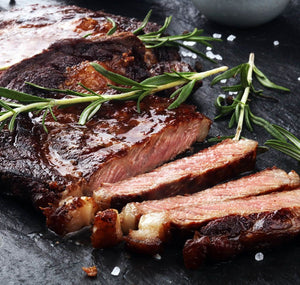
Medium Rare (55°C): Warm red centre, ideal texture.
Medium (60°C): Hot pink centre, slightly firmer.
Medium-Well (65°C): Mostly brown centre, firm.
Well Done (70°C): No pink, very firm and drier.

The Ultimate Steak Cut Guide
These six cuts are known for exceptional flavour and tenderness.
Eye Fillet
Also known as tenderloin, this premium cut is exceptionally tender with a buttery, melt-in-your-mouth texture.
Scotch Fillet
Cut from the cube roll, scotch fillet is juicy and flavourful with rich marbling that enhances moisture during cooking.
Rump Steak
A popular everyday cut known for deep, savoury flavour. Slightly less tender but excellent for marinating.
T-Bone Steak
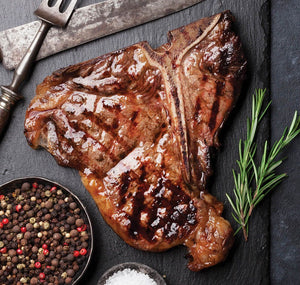
A classic cut combining striploin and tenderloin. Bold flavour, large size, and highly prized.
Porterhouse Sirloin Steak
Cut from the striploin, porterhouse is lean, tender, and full of flavour with minimal seasoning required.
Rib-Eye Steak
This is a premium, marbled bone-in cut from the rib section. Derived frrom the 6th to 12th ribs. It is revered for it's sharp flavour, juiciness and tenderness.